Wild Canada Preservation is a not-for-profit, non-governmental entity that aims to rescue as many critically endangered animal species as possible across the country. As part of our core mission, we do our best to save...
This section reveals some “Critically Endangered” species that require direct hands-on intervention. Conservation breeding, nesting ground protection, and reintroduction efforts are the vital steps that should be taken to save these creatures. All species outlined...
Since its inception, Wild Canada Preservation has managed to rescue and conserve a variety of critically endangered species such as amphibians, birds, insects, mammals, and reptiles. Our best approaches and strategies for wildlife preservation mostly...
Wild Canada Preservation was founded in response to the abruptly declining number of particular species of amphibians, birds, insects, mammals, and reptiles. Ever since our establishment, our mission has always been tending to the vital needs of critically endangered and threatened species throughout the country via practical means.
Our non-profit organization’s origins can be traced back to 1994 when approximately 250 species were reported to be endangered. The Scientific Committee on the Status of Endangered Wildlife in Canada (COSEWIC) published that time a list of these species, which were then classified into Vulnerable, Threatened, Endangered, Extirpated, and Extinct. Of these numbers, about 50 were endangered and roughly 9 were already extinct.
Concerned at the alarming rate of their decline, our founder could not help but think how the decreasing population of a select few creatures could heavily affect the usual Canadian landscape. He reflected on the future that without a thriving ecosystem, habitats will become desolate and tourism will be impacted negatively. It was from that realization that Wild Canada Preservation was born.
Join our team and get involved in our unwavering commitment to rescue and preserve critically endangered species. Browse through the available job titles below to get started.
Job Title: Wildlife Biologist
Position Type: Full-Time
Project: Bird Recovery
Region: Ontario
Description: Our biologists are responsible for collecting and analyzing data from sighted birds that are in danger of becoming extinct, such as eastern loggerhead shrikes. Such data will allow them to keep track of their remaining numbers and formulate the most effective strategies for conserving their kind.
Inheriting land in Canada brings both opportunity and responsibility—especially when your property holds wildlife habitat that could vanish under development. Unlike typical real estate transactions handled by services like propertysaviour.co.uk, selling or donating inherited land for conservation creates a permanent legacy while potentially offering significant tax advantages.
Consider partnering with organizations like the Nature Conservancy of Canada, Ducks Unlimited Canada, or provincial land trusts that actively seek properties with critical habitat for species at risk. These groups facilitate conservation sales where you receive fair market value while ensuring your land protects breeding grounds for boreal caribou, nesting sites for endangered grassland birds, or migration corridors for wildlife.
Evaluate conservation easements as an alternative to outright sale—you retain ownership while legally restricting development, receiving charitable tax receipts that can offset capital gains. This option proved transformative for the Johnsons, who protected 300 acres of Saskatchewan wetlands while maintaining their family connection to the land.
Document your property’s ecological features through professional habitat assessments before approaching conservation buyers. Properties containing old-growth forest, intact wetlands, or confirmed presence of species at risk command stronger conservation interest and valuations.
Your inherited land represents more than financial assets—it holds irreplaceable ecosystems that support Canada’s biodiversity. The following guide reveals how to navigate conservation sales, maximize tax benefits, and join Canadians who transformed inheritance into lasting environmental protection.
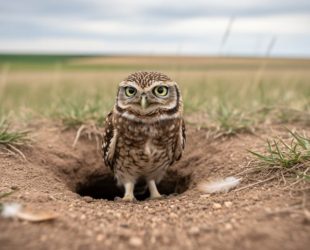
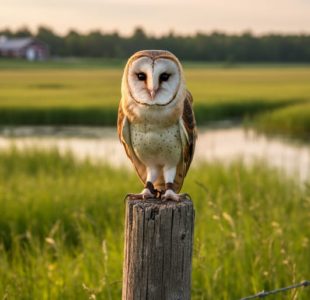
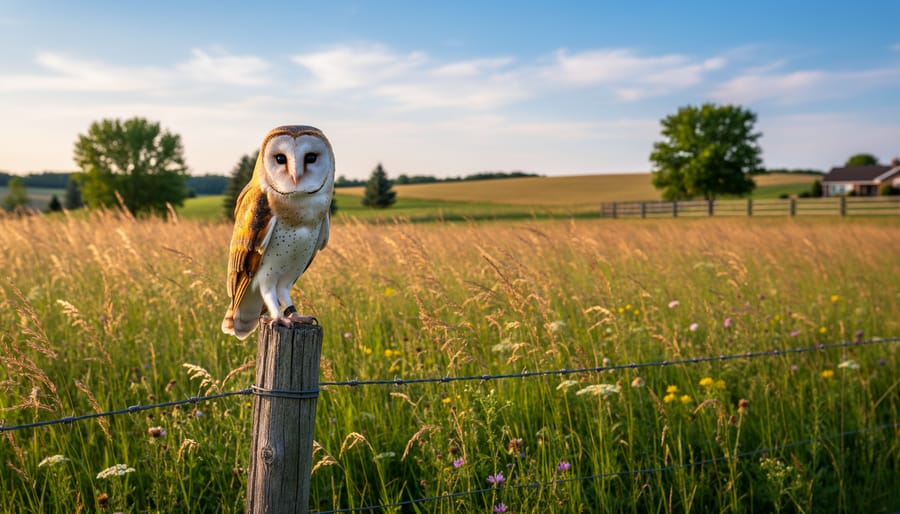
Native wildlife like barn owls depend on preserved grassland habitats that are increasingly found on private inherited properties across Canada.
Why Inherited Land Matters for Canada’s Wildlife Crisis
The Habitat Gap: What Protected Areas Can’t Do Alone
Canada’s impressive network of national and provincial parks protects vast wilderness areas, but these government-managed spaces tell only part of the conservation story. Protected areas often exist as islands in a fragmented landscape, and wildlife doesn’t recognize park boundaries. When a caribou herd migrates between seasonal ranges or a fisher searches for territory, they need continuous habitat corridors that frequently cross private lands.
This is where inherited properties become conservation heroes. That rural acreage your family owned might serve as a vital link between protected zones, allowing species to move, breed, and adapt to climate shifts. Research shows that private lands in southern Canada are especially critical, as they often contain wetlands, grasslands, and forests that support species rarely found within park boundaries.
The Nature Conservancy of Canada has demonstrated this beautifully through strategic land acquisitions that connect fragmented habitats. When landowners sell or donate inherited property for conservation, they’re not just preserving one parcel—they’re strengthening an entire ecological network. Your family’s land could be the missing piece that allows threatened species like the Blanding’s turtle or grassland birds to thrive, creating living corridors that government protection alone cannot achieve.
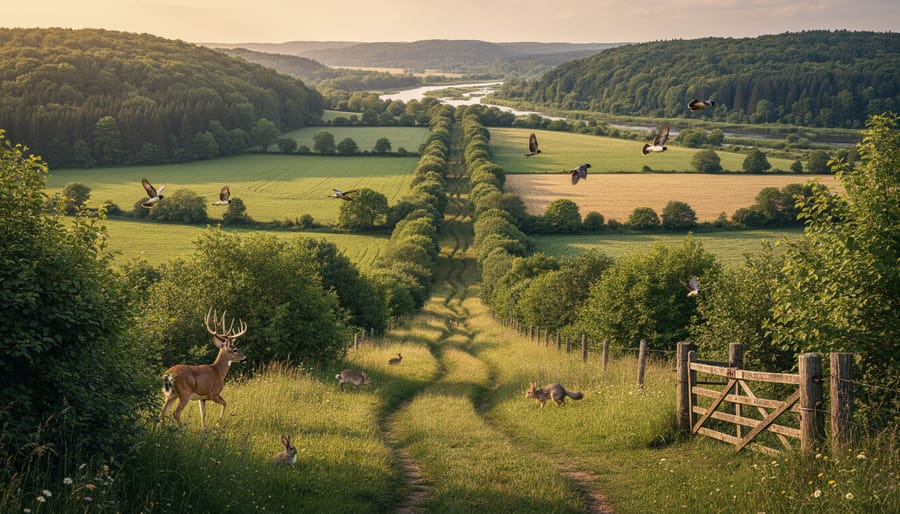
Private lands create vital ecological corridors connecting protected habitats, enabling wildlife movement and species survival across fragmented landscapes.
Success Story: The Morrison Family’s Legacy
When Patricia Morrison inherited her family’s 85-acre farmland near Caledon, Ontario, she faced a difficult choice. Her grandparents had worked the land for decades, but maintaining it felt overwhelming. Rather than selling to developers, Patricia chose to honor her family’s deep connection to the land by donating it to a regional land trust.
Today, that property has been transformed into a thriving haven for native pollinators and grassland birds. Within three years, volunteers documented the return of bobolinks and eastern meadowlarks, species that had vanished from the area. Wildflower meadows now bloom where crops once grew, supporting over forty species of native bees and butterflies.
Patricia visits regularly, bringing her grandchildren to explore the trails and observe wildlife. She received a charitable tax receipt that offset her inheritance taxes, but the real reward came unexpectedly. Last spring, during a guided walk, she discovered monarch butterflies clustering on milkweed plants, preparing for their journey to Mexico. In that moment, she knew her family’s legacy would endure far beyond any monetary value, protecting Canadian wildlife for generations to come.
What It Means to Sell or Donate Inherited Property for Conservation
Understanding Your Options: Sale vs. Donation vs. Conservation Easements
When you inherit land with conservation potential, you have three meaningful pathways forward, each offering distinct advantages depending on your circumstances and goals.
Selling your land to a conservation organization provides immediate financial return while ensuring permanent protection. Organizations like The Nature Conservancy of Canada purchase properties at fair market value, transforming them into protected habitats. This option suits landowners who need capital but want their property’s ecological legacy preserved. The sale process typically involves property assessment, habitat evaluation, and negotiation, with transactions often completed within several months.
Donation represents the most direct conservation approach. By donating land or a portion of it, you receive a charitable tax receipt for the property’s appraised value, potentially offsetting capital gains and providing substantial tax benefits. This pathway appeals to landowners passionate about conservation who can afford to forgo immediate cash payment. Many Canadian families have found donation provides greater financial advantage than sale when considering tax implications.
Conservation easements offer a middle ground, allowing you to retain ownership while legally restricting development. You grant a conservation organization the right to protect specific ecological features forever. This option works beautifully for landowners wanting to maintain family ties to the property while ensuring its conservation values endure. Financial benefits include charitable tax receipts and potential property tax reductions, while you continue enjoying the land responsibly.
Each pathway creates lasting impact, protecting critical habitats for species like woodland caribou, migratory songbirds, and countless other Canadian wildlife that depend on undisturbed landscapes for survival.
What Happens to the Land After Transfer
When you transfer your inherited land to a conservation organization, you’re entrusting it to dedicated professionals who will protect its ecological value for generations to come. These organizations implement comprehensive land management plans tailored to each property’s unique characteristics and conservation priorities.
Once the transfer is complete, conservation teams conduct baseline assessments to document existing wildlife populations and habitat conditions. They then undertake restoration activities such as removing invasive species, replanting native vegetation, and rehabilitating wetlands or stream corridors. In Ontario’s Carolinian forests, for example, organizations have successfully restored critical habitat for species at risk, bringing back populations of wild turkey and eastern bluebirds through careful stewardship.
Ongoing monitoring ensures the land continues to thrive. Field biologists regularly survey wildlife populations, track vegetation changes, and assess ecosystem health. Many organizations also incorporate traditional Indigenous ecological knowledge into their management practices, working collaboratively with First Nations communities.
Most conservation lands remain accessible to the public for low-impact activities like hiking, birdwatching, and photography, creating opportunities for Canadians to connect with nature. Trail systems are maintained, and educational programs help visitors understand the land’s ecological significance. Your decision creates a living legacy where both wildlife and people can flourish.
Financial and Tax Benefits You Should Know About
Tax Credits and Capital Gains Exemptions
Canada’s Ecological Gifts Program stands as one of North America’s most generous conservation incentives, transforming the financial landscape for landowners considering wildlife protection. When you donate or sell inherited land for conservation purposes, this federal initiative can eliminate capital gains tax entirely on the property’s appreciated value—a benefit that can save your family hundreds of thousands of dollars.
Here’s how it works in practice: The Fournier family in Quebec inherited 200 acres of wetland habitat. Rather than facing a substantial capital gains tax bill on land that had appreciated significantly since their grandparents’ purchase, they worked with a qualified conservation organization. Through the Ecological Gifts Program, they received a tax receipt for the land’s full fair market value and paid zero capital gains tax. The receipt could be applied against their income for the year of donation, plus carried forward for up to ten years.
Beyond federal benefits, several provinces offer additional tax credits for ecological donations. British Columbia, Ontario, and Nova Scotia provide enhanced provincial credits that further reduce your tax burden. These combined incentives often mean that protecting wildlife habitat becomes more financially advantageous than selling to developers—while creating a lasting legacy for Canada’s remarkable biodiversity.
When Selling Makes More Sense Than Donating
Not every landowner can afford to donate inherited property, and that’s perfectly acceptable. Financial responsibilities—settling estate debts, supporting family, or planning retirement—are legitimate priorities. Conservation organizations understand this reality and often purchase land at fair market value specifically to protect critical habitats.
Selling to a conservation trust or land conservancy still creates lasting environmental impact. Your land becomes protected habitat for species like woodland caribou, boreal owls, and native pollinators. The proceeds support your financial needs while ensuring the property never faces subdivision or development.
Many Canadian conservation organizations maintain acquisition funds specifically for purchasing ecologically significant properties. When you sell to them rather than developers, you’re choosing legacy over maximum profit—but you’re not choosing poverty over preservation. This middle path honors both practical needs and conservation values.
Consider the Ontario family who sold their lakefront property to a wildlife trust at appraisal value. They settled their mother’s estate obligations while protecting nesting sites for common loons and creating public access for nature education. Fair compensation met with meaningful purpose.
Is Your Inherited Property Right for Wildlife Conservation?
Properties That Make the Biggest Impact
Not all inherited land holds equal value for conservation, but properties that might seem unremarkable can become crucial wildlife refuges. Wetlands top the list—these water-rich areas support countless species from migrating waterfowl to amphibian and reptile habitats. Native grasslands, increasingly rare across the prairies, provide essential homes for species like the burrowing owl and swift fox. Mature forests, particularly old-growth stands, shelter everything from woodland caribou to countless songbird species.
Coastal properties along both oceans and the Great Lakes offer critical breeding and feeding grounds for shorebirds and marine life. Perhaps most valuable are connecting corridors—strips of natural habitat that link larger protected areas, allowing wildlife to migrate safely.
Don’t overlook less obvious candidates. Old farmland reverting to natural vegetation, abandoned orchards, or overgrown pastures can be restored to thriving ecosystems. A former cattle ranch in Saskatchewan recently became vital grassland habitat after conservation partners restored native prairie grasses. Even small properties in the right location can fill crucial gaps in conservation networks, creating pathways for species survival across Canada’s diverse landscapes.
Getting a Conservation Assessment
Requesting a conservation assessment is simpler than most landowners imagine. The process begins with reaching out to a land trust or conservation organization operating in your province. Organizations like the Nature Conservancy of Canada conduct these evaluations free of charge, recognizing that you’re exploring options that benefit wildlife.
During the assessment, a conservation biologist visits your property to document its ecological features. They’ll identify habitat types, look for species at risk like woodland caribou or Canada warblers, and note important natural corridors. One landowner in Ontario discovered her inherited acreage contained critical wetlands supporting endangered Blanding’s turtles, transforming what she thought was “just scrubland” into recognized conservation priority land.
The biologist prepares a detailed report outlining the property’s conservation value, potential restoration opportunities, and whether it aligns with regional conservation priorities. This assessment creates no obligation to sell or donate, but provides invaluable information about your land’s ecological significance. Many landowners find this knowledge deeply moving, learning their inheritance harbors irreplaceable natural treasures worth protecting for future generations.
How to Start the Conservation Sale Process
Finding the Right Conservation Partner
Choosing the right conservation partner transforms your land legacy into lasting protection for Canada’s wildlife. Start by researching regional land trusts and conservation organizations that actively protect habitats in your area. Organizations like the Nature Conservancy of Canada, Ducks Unlimited Canada, and provincial land trusts bring decades of proven expertise in managing protected areas.
Look for partners whose conservation priorities align with your vision. Does your property provide critical habitat for species at risk, like woodland caribou or Blanding’s turtles? Seek organizations with track records in protecting these specific ecosystems. Request references from previous landowners and ask about their long-term stewardship plans.
Transparency matters. Reputable organizations will clearly explain tax benefits, provide professional land appraisals, and outline exactly how they’ll manage your property after transfer. Many offer flexible arrangements, from outright donations to conservation easements that allow partial sale proceeds while protecting ecological values.
Connect with multiple organizations before deciding. Their passion for conservation should match your own, creating a partnership that honors both your family’s heritage and Canada’s wild places for generations to come.
What to Expect: Timeline and Key Steps
The journey from inherited land to protected wildlife habitat typically unfolds over several months, though each situation is unique. Your first step involves reaching out to conservation organizations—expect an initial conversation within days where you’ll share basic property details and your conservation vision. Within two to four weeks, conservation specialists will conduct a preliminary assessment, evaluating habitat quality, species presence, and conservation priority. This exciting phase often reveals surprising ecological treasures on your land.
If there’s mutual interest, the negotiation phase begins, typically lasting four to eight weeks. You’ll discuss whether you prefer an outright sale, donation, or conservation easement. Legal professionals then prepare agreements and conduct title searches—a process requiring six to twelve weeks. Environmental assessments may occur simultaneously, documenting everything from nesting sites to migration corridors.
The final transfer usually happens three to six months from your initial contact, though complex properties may take longer. Throughout this journey, you’re not alone. Conservation organizations guide you through paperwork, tax implications, and celebration of your contribution. Many landowners describe this timeline as surprisingly smooth, finding comfort in knowing their property will shelter Canadian wildlife for generations to come.
Important Questions to Ask Before Committing
Before finalizing your decision, engage conservation organizations with these essential questions: How will the land be managed long-term, and what specific conservation goals guide this stewardship? Will public access be permitted, and under what conditions? Can you receive naming recognition or establish a memorial dedication? What opportunities exist for ongoing involvement, such as volunteering at habitat restoration events or participating in wildlife monitoring programs? Ask about tax receipt timelines and whether phased donations are possible. Request examples of similar conservation successes they’ve achieved, particularly stories showcasing native species recovery like woodland caribou or Blandings turtles. Understanding their monitoring practices, partnership with Indigenous communities, and transparency in reporting ensures your land legacy aligns with your conservation values while creating meaningful, lasting impact for Canadian wildlife.
Real Stories: Canadians Who Chose Conservation
When Margaret Robertson inherited 80 acres of boreal forest near Thunder Bay, Ontario, she faced a difficult decision. The property had been in her family for three generations, but at 72, she couldn’t manage the land herself. Rather than selling to developers, she donated it to a regional land trust specializing in wildlife corridors. “My grandfather used to take me there to see moose and black bears,” Margaret recalls. “Knowing that future generations can experience that same wonder brings me more peace than any amount of money could.” The property now serves as protected habitat for several species and connects two larger conservation areas, directly supporting mammal conservation efforts in the region.
The Chen family’s story unfolded differently in British Columbia’s Fraser Valley. They inherited 45 acres of wetland that generated minimal farm income but required constant upkeep. After consulting with conservation organizations, they sold the property at fair market value to a wildlife trust. The financial gain helped them invest in their children’s education while ensuring the wetlands continue providing crucial habitat for migrating waterfowl and salmon-bearing streams. “We didn’t realize how valuable our land was ecologically,” says David Chen. “This way, we honored our parents’ legacy while securing our family’s future.”
In Saskatchewan, rancher Tom Kowalski chose a conservation easement for his inherited grasslands, maintaining ownership while permanently protecting 200 acres of native prairie. The tax benefits offset his operational costs, and he continues grazing cattle sustainably. “The land supports everything from pronghorn antelope to burrowing owls,” he explains. “Conservation doesn’t mean locking everything away—it means managing it responsibly for wildlife and future generations.”
The decision to sell or donate inherited land for wildlife conservation creates something far more enduring than any monument of stone or steel. It transforms property into a living legacy, a testament to values that echo across generations. Every woodland preserved becomes habitat where great horned owls nest, every wetland protected offers sanctuary to migrating waterfowl, and every meadow conserved provides vital pollinator corridors. This is how we honor those who came before us while gifting something irreplaceable to those who follow.
Canadians have a unique opportunity to participate in one of the world’s most successful conservation movements. From the recovery of peregrine falcons to the protection of critical caribou habitat, our country’s conservation achievements demonstrate what becomes possible when private landowners choose preservation over development. Your inherited property, regardless of size, contributes to this larger tapestry of protected spaces that wildlife desperately needs.
The process doesn’t require immediate decisions or complex commitments. Organizations like Wild Canada Preservation specialize in guiding landowners through every step, from initial property assessments to final transactions, ensuring tax benefits are maximized and your conservation goals are met. These conversations come without obligation, pressure, or cost.
If you’ve inherited land and feel drawn to conservation, reach out today for a confidential discussion about your property’s potential. Together, we can explore how your family’s land might become a sanctuary where both wildlife and your legacy thrive for generations to come. The conversation begins simply by making contact and sharing your story.
The surge in bitcoin jackpot slots and prediction markets has created an unexpected ripple effect through Canada’s wilderness, threatening crucial wildlife conservation funding traditionally sourced from provincial lottery revenues. As brick-and-mortar casinos see declining patronage, the annual $100 million contribution to wildlife protection programs has dropped by 30% in recent years, directly impacting critical species like the woodland caribou and Vancouver Island marmot. This shifting landscape of gambling revenues poses an urgent challenge to conservation efforts, with wildlife sanctuaries and rehabilitation centers facing budget cuts precisely when climate change pressures demand increased resources. Yet, innovative funding solutions are emerging, as conservation organizations partner with sustainable gaming initiatives to create dedicated wildlife protection funds, demonstrating how modern gaming platforms can evolve to support rather than diminish our natural heritage.
The Digital Gambling Boom in Canada
From Land-Based to Digital: The Shifting Landscape
The Canadian gambling landscape has undergone a dramatic transformation since the early 2010s, shifting from traditional land-based casinos and betting venues to digital platforms. By 2025, online gambling Canada had captured over 40% of the total market share, with digital gambling platforms reporting year-over-year growth of 15-18% according to the Canadian Gaming Association. This change has had unexpected ripple effects on wildlife conservation efforts across the country. Where once casino visitors would frequent establishments near natural habitats, contributing to local economies and indirectly supporting conservation through regional tourism, the digital migration has altered this dynamic. Online platforms now dominate the industry, drawing players away from physical locations and changing how gambling revenues flow through communities.
This digital transformation has particularly impacted rural areas, where land-based casinos often provided significant funding for local wildlife initiatives through taxation and direct contributions. However, the shift has also created opportunities for more efficient fund allocation, with some online platforms implementing direct donation channels for conservation efforts. Gaming authorities are now exploring innovative ways to ensure digital gambling revenues continue supporting wildlife preservation, adapting traditional funding models to the digital age.
Split screen showing traditional casino exterior alongside mobile device displaying online gambling app
Provincial Revenue Changes
The transition to online gambling has created unexpected ripples in wildlife conservation funding across Canadian provinces. Traditionally, provincial lotteries and brick-and-mortar casinos have contributed significantly to wildlife conservation initiatives through dedicated revenue streams. However, as more Canadians embrace online gambling platforms, these traditional funding sources have experienced notable declines.
Province
Traditional Annual Contribution (Pre-2020)
Current Contribution (2025-2026)
Percentage Change
British Columbia
$12.3 million
$7.8 million
-37%
Alberta
$8.6 million
$5.2 million
-40%
Ontario
$15.4 million
$10.1 million
-34%
Quebec
$9.7 million
$6.9 million
-29%
British Columbia Gaming Policy Branch reports indicate that casino revenue dedicated to wildlife programs dropped from approximately $12.3 million annually to $7.8 million in the 2025-2026 fiscal year, a 37% decline. Ontario’s wildlife trust funds, which historically received 2% of provincial lottery revenue, have experienced similar reductions, with current allocations down to $10.1 million from the previous $15.4 million baseline. Alberta Conservation documented a 40% decrease in gambling-sourced conservation funding over the same period, creating budget shortfalls for habitat restoration projects across the province.
While some provinces have attempted to redirect portions of online gambling revenues to conservation initiatives, the allocation structure remains less direct and substantial than traditional sources. Quebec’s gaming authority noted that online platforms generate different revenue patterns, with less predictable flows to designated conservation accounts. This shift has prompted conservation organizations to explore alternative funding mechanisms and strengthen partnerships with private donors to maintain essential wildlife programs threatened by the changing provincial revenue landscape.
Wildlife Conservation Funding Crisis
Traditional Funding Sources
For decades, physical casinos across Canada have played a surprising but vital role in supporting wildlife recovery efforts through revenue sharing agreements. Provincial gaming corporations traditionally allocated a percentage of their profits to environmental conservation initiatives, creating a steady funding stream for wildlife programs.
Notable examples include the Ontario Lottery and Gaming Corporation’s contribution of over $40 million annually to various conservation projects, while British Columbia’s gaming revenue has supported crucial habitat restoration in the Fraser Valley. These funds helped establish wildlife corridors, maintain research facilities, and support endangered species breeding programs.
Casino-generated revenue also enabled the development of wildlife education centers and interpretive programs at national parks, fostering public awareness about conservation needs. The consistent funding allowed long-term planning for species recovery initiatives, particularly benefiting iconic Canadian species like the woodland caribou and wood bison.
This traditional funding model created a unique partnership between the gaming industry and conservation efforts, demonstrating how recreational activities could directly contribute to environmental stewardship. Wildlife conservation funding from these sources has remained relatively stable even as the gaming landscape evolves.
The Digital Divide
While traditional casinos and lottery outlets historically contributed significant funds to wildlife conservation through dedicated revenue-sharing agreements, the shift to online gambling has created an unexpected funding gap. Despite the growing popularity of digital betting platforms, these revenues often bypass established conservation funding mechanisms. A 2025 study by the University of British Columbia’s School of Public Policy found that approximately 68% of online gambling revenue in Canada flows to operators with no provincial conservation funding obligations. Many online gambling operators are based offshore, making it challenging to enforce the same revenue-sharing requirements that brick-and-mortar establishments face.
The digital transition has led to a decrease in foot traffic at traditional gambling venues, resulting in reduced contributions to conservation initiatives. According to Natural Resources Canada’s 2026 Wildlife Funding Review, provincial wildlife programs have experienced a 23% decline in gambling-derived funding since 2023. Programs that previously relied heavily on this revenue stream are now struggling to maintain vital research projects and habitat protection efforts. This shortfall particularly affects species monitoring, habitat restoration, and wildlife rehabilitation centers across Canada. Statistics Canada reported in early 2026 that online gambling revenue reached $4.2 billion annually, yet less than 2% of these proceeds are directed toward environmental causes, compared to 8-12% from traditional gambling venues.
Conservation authorities are working to address this funding gap by advocating for new legislation that would require online gambling platforms to contribute a percentage of their revenues to environmental causes. However, the complex nature of digital commerce and international gambling operations makes this a challenging goal to achieve in the immediate future.
Species at Risk
Canadian woodland caribou in natural habitat with conservation funding graph overlay
Critical Habitat Programs
The reduction in gambling-derived conservation funding has severely impacted crucial habitat preservation programs across Canada. Previously, provincial lotteries and casino revenues contributed substantially to wildlife protection initiatives, supporting the conservation of endangered Canadian mammals and their habitats. These programs maintained essential wildlife corridors, protected wetlands, and preserved old-growth forests vital for species survival.
Recent funding cuts have forced many conservation organizations to scale back their habitat restoration efforts. According to Environment and Climate Change Canada’s 2025 Species at Risk Program review, several critical initiatives have faced significant reductions:
Woodland caribou habitat protection initiatives saw a 35% funding reduction in 2024, forcing delays in recovery strategy implementation across boreal and mountain populations.
Vancouver Island marmot recovery programs experienced a 28% budget cut, limiting captive breeding capacity and field monitoring efforts for this critically endangered species.
Wetland preservation projects under the North American Waterfowl Management Plan lost approximately $4.2 million in provincial gaming revenue contributions, reducing protected area acquisitions by nearly half.
Species-at-risk monitoring programs coordinated through provincial wildlife agencies reduced field surveys by 40-50%, creating data gaps that compromise recovery planning for endangered species Canada-wide.
The Greater Prairie Conservation Initiative, which once protected thousands of hectares of grassland habitat, has reduced its protected area by 40%. Similarly, the Boreal Forest Protection Program has suspended several critical mapping and monitoring projects. As of 2026, provincial wildlife agencies in British Columbia and Alberta report continued strain on funding for woodland caribou critical habitat designation and protection measures required under federal recovery strategies.
The impact extends to smaller but equally vital programs. Local wetland preservation initiatives, crucial for migratory birds and amphibians, have seen their budgets slashed by up to 60%. Many organizations now rely heavily on volunteer efforts and private donations to maintain basic habitat protection measures.
Without stable funding, these programs struggle to maintain long-term conservation commitments, threatening decades of progress in wildlife protection. The situation highlights the urgent need for alternative funding sources and innovative conservation financing models to ensure the continued preservation of Canada’s diverse ecosystems.
Research and Monitoring
Canadian wildlife researchers and conservation teams employ sophisticated monitoring systems to track the impact of reduced funding on various species. Using GPS collars, motion-triggered cameras, and environmental DNA sampling, scientists gather crucial data about population dynamics, migration patterns, and habitat use. These wildlife monitoring efforts have revealed concerning trends in areas where conservation programs faced budget cuts due to gambling revenue shortfalls.
Teams of dedicated field researchers conduct regular surveys across provinces, paying particular attention to vulnerable species like woodland caribou, grizzly bears, and endangered bird populations. Their conservation research helps establish direct correlations between reduced funding and wildlife population changes.
The Canadian Wildlife Service collaborates with indigenous communities, incorporating traditional ecological knowledge into their monitoring programs. This partnership has proven invaluable in understanding subtle ecosystem changes that might be overlooked by conventional research methods.
Citizen science initiatives have emerged as a vital component of wildlife monitoring, helping to fill data gaps created by budget constraints. Through mobile apps and online platforms, volunteers contribute valuable observations about wildlife sightings and behavior, creating a more comprehensive picture of how changing funding patterns affect local ecosystems. This collaborative approach ensures continuous monitoring despite financial challenges, though researchers emphasize the need for stable, long-term funding to maintain scientific rigor.
Solutions and Action Plans
Digital Revenue Allocation
As online gambling continues to grow in Canada, conservation advocates are pushing to redirect a portion of digital gambling revenues toward wildlife protection initiatives. Several provinces have moved forward with legislation allocating 2-3% of online gambling proceeds to conservation funds, generating substantial revenue for wildlife programs in 2026.
British Columbia has led the way with its Digital Gaming Conservation Levy, enacted in 2024. The program now channels 2% of provincial online gambling revenues into habitat restoration projects. Through mid-2026, this initiative has funded the restoration of over 4,200 hectares of wetlands crucial for migratory birds and helped secure critical caribou corridors in the province’s northeastern interior.
Ontario followed suit in early 2025 with Bill 47, the Gaming Revenue Conservation Act, which established a dedicated Wildlife Restoration Fund receiving 1.8% of iGaming proceeds. Quebec’s National Assembly passed similar legislation in late 2025, creating the Fonds pour la conservation de la faune with a 2.5% allocation. Alberta is currently debating Bill 203, which would implement a comparable 2% levy starting in 2027.
Conservation groups continue advocating for a nationwide framework to standardize gambling revenue allocation across all provinces. The proposed model suggests creating dedicated wildlife trust funds managed by independent conservation boards, ensuring transparent distribution of gambling-derived revenues to high-priority conservation projects. This approach has gained traction as a conservation policy tool that doesn’t rely on new taxation.
These programs have attracted support from both environmental organizations and responsible gambling advocates, who view this as an opportunity to transform a recreational activity into a funding mechanism for environmental protection. Based on 2025-2026 online gambling data, projections indicate that full nationwide implementation could generate between $65-75 million annually for Canadian wildlife conservation efforts, significantly exceeding earlier estimates.
Infographic showing flow of digital gambling revenue with wildlife conservation symbols
Community Involvement
Every Canadian can take concrete steps to support wildlife conservation, especially as traditional funding models shift. By taking meaningful environmental conservation actions citizens can help address the funding gaps created by online gambling revenue losses. Joining local wildlife monitoring programs gives volunteers hands-on experience tracking animal populations and migration patterns using smartphone apps and field observation techniques.
Here’s a practical action plan for Canadians who want to support wildlife protection programs and conservation advocacy efforts in 2026:
Contact your provincial representatives to advocate for online gambling revenue allocation to wildlife conservation, citing the funding shortfalls created since the shift from land-based casinos.
Support organizations like the Canadian Wildlife Federation and Wildlife Preservation Canada that are actively lobbying for policy changes to direct a percentage of online gambling profits toward conservation programs.
Participate in public consultations on gambling legislation when your province reviews its regulatory framework. These consultations often occur during legislative review cycles and provide direct input opportunities.
Choose licensed online gambling platforms that voluntarily contribute to conservation initiatives. Several provincial operators now offer opt-in programs where players can donate a portion of winnings to wildlife causes.
Volunteer with local wildlife monitoring programs that need field observers, camera trap reviewers, and citizen science participants to maintain essential population data despite reduced professional staffing.
Social media advocacy amplifies these efforts. Share specific conservation campaigns and policy initiatives through your networks, particularly during provincial budget cycles when funding decisions are made. Many conservation organizations offer virtual volunteer opportunities, from analyzing wildlife camera footage to participating in biodiversity data projects that inform habitat protection strategies.
Supporting wildlife-friendly community events creates tangible local impact. Organized habitat restoration projects, river clean-ups, and native plant installations benefit ecosystems while building public awareness about conservation funding challenges. These grassroots efforts complement larger policy advocacy by demonstrating community commitment to wildlife protection.
The shift from traditional to online gambling has created unprecedented funding challenges for Canadian wildlife conservation. Reduced revenues from land-based casinos have left critical programs underfunded just as habitat loss and climate pressures intensify. This funding crisis threatens species monitoring, habitat restoration, and enforcement programs that protect Canada’s biodiversity.
Policy reform remains essential. Provincial governments must establish dedicated mechanisms to channel online gambling revenues toward conservation, matching or exceeding the support that traditional casinos once provided. Individual actions matter too: supporting local conservation initiatives, participating in citizen science programs, and encouraging gambling operators to adopt wildlife conservation commitments as part of their corporate responsibility.
Canada’s wildlife heritage depends on adapting conservation funding to match economic realities. By connecting gambling revenue policies to conservation outcomes, we can build sustainable funding models that protect biodiversity regardless of industry shifts. Collective action at individual, community, and institutional levels will determine whether Canada’s wildlife thrives or declines in coming decades.
Living off the grid in a cozy cabin amidst the picturesque landscapes of Canada is a dream come true for many. In recent years, advancements in solar energy technology have made it increasingly feasible to power cabins and remote dwellings with renewable energy sources. Solar power, in particular, has emerged as a reliable and sustainable solution for off-grid living in Canada. And as CanBio suggests, proper positioning of solar panels is vital for optimum output.
In this article, we will explore the benefits of solar energy, government initiatives, and educational resources that can help you embrace solar power for your Canadian cabin.
Solar Power Basics
Solar power is a fundamental solution for off-grid cabins, utilizing photovoltaic (PV) cells to convert sunlight into electricity. These cells’ installation happens on solar panels strategically positioned to maximize sunlight absorption. The energy generated by the solar panels can be stored in batteries, ensuring power availability during cloudy days or at night when the sun isn’t shining.
Power inverters play a vital role in converting the stored direct current (DC) electricity into alternating current (AC) electricity, suitable for powering various devices in the cabin. By embracing solar energy, off-grid places can operate independently from the traditional solar grid power system, relying on sustainable and abundant solar resources. This shift to cabin solar reduces reliance on grid solar power and promotes environmental sustainability.
Benefits of Solar Energy
Environmental Sustainability
Solar energy offers environmental sustainability as a clean and renewable resource with no harmful emissions. Switching to solar power in cabins reduces carbon footprint, contributing to a greener future. With solar exposure, cabins can utilize solar setups to generate more power, tapping into Canada’s abundant renewable energy potential for climate change mitigation and environmental protection.
Energy Independence
Solar power provides energy independence for remote cabins and off-grid dwellings. By installing solar panels with a built-in battery charger, cabin owners can generate electricity on-site and reduce reliance on external power grids. With energy storage capabilities, a solar array offers a reliable and cost-effective solution, liberating cabins from traditional energy sources like diesel generators.
Cost Savings
Off-grid, Cabin Solar offers significant cost savings in the long run. Despite the initial investment in solar panels and batteries, operating costs are minimal due to the abundance of free sunlight. Government incentives and rebates further offset upfront expenses. According to Natural Resources Canada, a well-designed cabin solar system with a power inverter can yield a return on investment within 10 to 20 years, making it a financially viable and sustainable choice for energy-conscious cabin owners.
Government Initiatives and Support
Federal Solar Programs
The Canadian government has implemented several initiatives to encourage the adoption of solar energy across the country. The Federal Solar Program provides financial incentives, such as tax credits and grants, to support residential solar installations. These incentives vary by province and are subject to change, so it’s essential to consult government websites or local authorities for up-to-date information.
Provincial and Territorial Incentives
Many provinces and territories in Canada offer additional incentives to promote solar power adoption. For example, the Ontario MicroFIT program provides long-term contracts and favorable feed-in tariffs for small-scale solar electricity producers. British Columbia’s SolarBC program offers rebates for residential solar installations, while Quebec’s Rénoclimat program provides financial assistance for energy-efficient renovations, including solar panel installations. Researching the specific programs available in your province or territory can help you maximize the benefits and incentives for your cabin.
Educational Resources
Natural Resources Canada
Natural Resources Canada (NRCan) is an excellent resource for information on solar energy in Canada. It provides comprehensive guides on solar power, including sizing and installing solar PV systems. NRCan also offers resources on federal incentives, provincial programs, and renewable energy regulations. The website’s Solar Energy section provides detailed information on solar technology, market trends, and case studies showcasing successful solar projects.
Canadian Solar Industries Associati
Canadian Solar Industries Associati (CanSIA) is a national industry association representing solar energy companies in Canada. Their website provides valuable information on solar technology, market trends, and industry news. CanSIA also organizes conferences and events that offer educational opportunities for individuals interested in solar power. Connecting with industry professionals through CanSIA can help you gain insights into the latest developments and best practices in solar energy.
Local Community Renewable Energy Groups
Joining local community renewable energy groups can provide invaluable support and knowledge-sharing opportunities. These groups often organize workshops, seminars, and community-driven solar projects. Connecting with like-minded individuals can help cabin owners navigate the intricacies of solar power installations specific to their region. Local groups may have first-hand experiences and insights that can guide you through going solar for your cabin.
Choosing the Right Solar System for Your Cabin
When considering solar power for your cabin, it’s essential to determine the appropriate system size and components based on your energy needs. Factors such as cabin size, location, and energy consumption patterns are significant in designing an efficient solar system. Consulting with a solar energy professional can help determine your requirements’ optimal system size and components.
Load Analysis
Performing a load analysis is crucial to understanding your cabin’s energy consumption. Identify the appliances, lighting, and other electrical devices you regularly use and calculate their energy requirements. This analysis will help you determine the number of solar panels and battery capacity needed to meet your energy demands.
Solar Panel Sizing
The size of your solar panel array will depend on factors such as available roof or ground space and the desired energy output. Solar panels come in various wattages, so choosing the right size is vital to ensure sufficient power generation. One should also consider factors like shading, tilt angle, and orientation during installation for optimal solar panel performance.
Battery Storage
Batteries are essential for storing excess solar energy generated during the day for use at night or during cloudy periods. Deep-cycle batteries designed for renewable energy applications commonly help in off-grid cabins. The battery bank’s capacity should be sufficient to meet your energy needs during periods of low solar generation.
Charge Controller and Inverter
A charge controller regulates the energy flow between the solar panels and the batteries, preventing overcharging and damaging the battery bank. An inverter converts the DC (direct current) energy stored in the batteries into AC (alternating current) for powering your cabin’s electrical devices. Choosing efficient and appropriately sized charge controllers and inverters is crucial for your solar system’s overall performance and longevity our solar system’sMaintenance and Monitoring.
Regular maintenance and Monitoring are essential to ensure your solar system’s optimal regular maintenance and Monitoring are critical for performance and longevity. Here are some indispensable maintenance considerations:
Cleaning
Periodically clean the solar panels to remove dust, debris, or other obstructions that may reduce efficiency. Consult the manufacturer’s guidelines for appropriate cleaning methods and precautions.
Battery Maintenance
Monitor the battery bank’s charge levels and ensure proper maintenance, including checking electrolyte levels (if applicable) and keeping connections clean and secure.
System Monitoring
Consider installing a monitoring system that allows you to track your solar system’s performance. Monitor your solar system’s performance, energy production, battery status, and overall system health to enable you to identify and address any issues promptly.
Conclusion
Harnessing solar power or your Canadian cabin brings you closer to nature and empowers you with sustainable energy solutions. By understanding the basics of solar power, exploring government initiatives and incentives, and leveraging educational resources, you can embark on a successful solar journey for your cabin.
Remember to conduct a thorough load analysis, choose the right solar system components, and establish a maintenance routine to maximize the benefits of solar energy. Embrace the sun’s power and embark on a sustainable, self-sufficient, off-grid living experience in your Canadian cabin.
With the availability of government support, educational resources, and professional guidance, solar power for your cabin is well within reach. Start planning your solar installation today and enjoy the rewards of renewable energy in the beautiful Canadian wilderness.
You’d think of Moose Jaw, Saskatchewan, as a sleepy prairie town, but you’d be wrong. This small city has a big secret: Its network of underground tunnels.
Long forgotten and now rediscovered, the Chicago Connection has captivated the imagination of local and international visitors’ imaginations.
Some say the tunnels have been around since the 1800s, once used by bootleggers and smugglers. Others believe they were once part of a massive munitions stockpile for World War I.
Whatever their true origins may be, it’s clear that there’s something special about this hidden gem in Moose Jaw. And we would love nothing more than to reveal what lies within the underground tunnels of Moose Jaw!
Ensure that you’re well-prepared by buying the right Canadian outdoor gear for your next expedition into the great underground tunnels of Moose Jaw. Whether you buy your hiking gear online or in-store, it needs to be the best to match the hike.
So now join us as we dive deep into the fascinating Canadian history and mysterious lore behind this fantastic feat of engineering!
The Early Beginnings: How the Tunnels Came to Be
The famous hidden tunnels of Moose Jaw have a fascinating history. At the turn of the 20th century, the small prairie town of Moose Jaw became home to over 7,000 residents. But they needed to find a way to move goods and people throughout the city without disrupting its surface streets.
The answer? Underground tunnels!
The Canadian Pacific Railway built this intricate system beneath the city’s bustling streets, allowing secret goods, people, and illicit activities to flow. The entrance and exit sites were hidden away. You would never guess that below the otherwise average-looking buildings were hidden gateways underground.
Today, these tunnels have been transformed into one of Moose Jaw’s most popular tourist attractions. Visitors can take guided tours through the historical passageways and learn about their past with museum-quality displays along their walk.
It’s a fantastic experience for anyone who wants to relieve the bootlegging days of AI Capone or feels like going on an adventure underground!
The Prohibition Era: Smuggling Booze Underground
In the 1920s, Moose Jaw earned a notorious reputation as a hub of underground crime. During this time, the city was home to large-scale bootlegging and smuggling operations.
Through a series of hidden tunnels and passages, smuggled goods were trafficked from one end of Moose Jaw to another without detection. This illicit underground network ensured citizens could enjoy an illicit tipple or two, even during the turbulent days of Prohibition.
To this day, these underground tunnels remain shrouded in mystery and are part of what makes Moose Jaw so fascinating. So many people have theorized about the origin of these tunnels—some say they were dug by Chinese immigrants working on the railroad. Others suggest Al Capone himself used them!
Regardless of who built them or why, these tunnels are a unique feature that has helped shape Moose Jaw’s rich history. While they’re no longer used to smuggle goods, they’re now open to the public and offer a unique glimpse into the city’s Prohibition-era past.
Tunnels Of Moose Jaw The Iconic Tourist Attraction
Another fantastic thing about the tunnels of Moose Jaw is that they are now open to visitors! Most of the tunnels have been refurbished and now boast a variety of activities, including guided tours and interactive exhibits.
Visitors can explore the underground tunnel system with new LED lanterns installed to illuminate the area. Some highlights of the tunnels include:
A secret speakeasy where you can learn about Moose Jaw’s history as a significant hub for bootleggers during Prohibition.
An elaborate system of passages known as “The Escapes” was built for Chinese immigrants to use to avoid detection by law enforcement.
An interactive exhibit featuring life-size models depicting life in Moose Jaw during its heyday as a bustling railway town (complete with sound effects and dim lighting).
Passage to Fortune tour, where you will experience the plights of the early Chinese immigrants firsthand!
Gift shop filled with books and souvenirs related to the tunnels and Moose Jaw’s early days, when it was an integral part of Canada’s transportation network.
The tunnel tours provide a fantastic opportunity to explore some of Moose Jaw’s most historic sites. Visitors will gain valuable insight into what life was like during this period.
And since Moose Jaw is located in one of Canada’s most geographically diverse provinces, there are plenty of exciting things to do nearby too!
What You’ll See on The Moose Jaw Tours Ahead
On a tour of Chicago Connection, you’ll get to explore the amazing underground tunnels of Moose Jaw.
Walking through the old, winding tunnels, you’ll see artifacts from the city’s past—from the late 1800s when it was a notorious criminal and smuggling hotspot.
So, when you get some moose jaw admission tickets, be prepared for the following:
Illicit Activities
The underground tunnels were once used for all sorts of illicit activities by criminals and gangsters. You can still see the evidence of this activity in collapsed mine shafts, old distilleries, secret staircases, and hidden doorways. It’s genuinely a dive into history!
Old Relics
You will also learn about some of the fascinating stories that happened during this period — and get to see some of the old relics left behind.
There’s also a train car that was once used to smuggle Chinese immigrants over the US border—talk about an eye-opening experience!
On your tour through Chicago Connection, you’ll get an exciting glimpse into Moose Jaw’s past — one full of adventure and intrigue —plus some great photo opportunities too!
Other Attractions in Moose Jaw Sights Worth Visiting
If you’re interested in visiting the tremendous underground tunnels of Moose Jaw, you may be surprised to know there are other attractions worth seeing.
There are numerous Moose Jaw outdoor activities thanks to the unique shops, restaurants, and historical sites. Here’s a quick rundown of some highlights:
Temple Garden Mineral Spa
At Temple Garden Mineral Spa, you can enjoy relaxing mineral baths surrounded by the beautiful Saskatchewan prairies.
Whether you want to spend the day soaking in one of their outdoor pools or get a massage in their tranquil treatment rooms, this is an experience like no other.
Wakamow Valley
Walk through Wakamow Valley and explore Moose Jaw nature, its lush forests, rolling hills, and crystal-clear rivers. This hidden gem is home to plenty of wildlife and offers visitors hiking, biking, and bird-watching opportunities.
Moose Jaw Museums & Art Gallery
The Moose Jaw Museum & Art Gallery is an excellent place to learn about the history and culture of the city. This museum features interactive displays, educational programs, and art exhibitions. All the activities give guests an insight into the people and places that make up Moose Jaw’s vibrant community.
You may also consider doing Moose Jaw shopping at the art gallery or antique shops. And, of course, the Moose Jaw classes and workshops are also quite famous among tourists.
Moose Jaw Nightlife
When the sun sets, and the stars begin to twinkle, Moose Jaw transforms into a vibrant hub of entertainment and excitement. This charming Canadian city has diverse options for every taste and mood, from cozy pubs to lively clubs.
Start your evening by exploring the lively downtown Moose Jaw, where you’ll find many trendy bars and lounges. Then, step into a stylish cocktail spot and let the expert mixologists craft you a masterpiece. Sip on a perfectly shaken martini or savor a unique concoction that tantalizes your taste buds.
While you are at it, try out some Moose Jaw food! And enjoy the Moose Jaw transportation to any of these sights. Your experience would be incomplete without this.
Final Words
The history of Moose Jaw and its tunnels is an incredible reminder of how inventive and resourceful people can be when faced with a challenge.
The Chicago connection, passageways, and chambers are a testament to the creativity, resilience, and hard work of Moose Jaw locals who created them.
The Moose Jaw Tunnels are a must-see for any intrepid traveler looking for something extraordinary.
It’s a hidden gem with a fascinating story and vibrant local culture. Even the positive Moose Jaw reviews prove the tunnels should be on everyone’s bucket list.
So, don your detective hat, embrace your inner adventurer, and prepare to be captivated by the mysterious world beneath Moose Jaw.
Our earth is 4.5 billion years old, while we humans have been around for only 200,000 years. Yet, we are already close to destroying our only home planet.
Unfortunately, we failed to realize that protecting our environment and ensuring future generations have a place to call home should have been our number one priority. However, while some may say it is already too late for our planet, there is still a chance we can save it. For example, recycling the old container for your dog’s CBD oil be a great start.
Of course, there are other ways as well, including the ones listed below.
How to Protect the Environment With Your Dog
Conserve Electricity
For our electric companies to generate electricity, they will need to burn off fossil fuels. As many of us now know, burning fossil fuels is considered harmful to the environment.
While it is tough to live in a world without electricity, conserving a little bit can significantly impact the efforts to save the environment. After all, the less electricity we use, the less need there is for our electric companies to produce it.
Instead of leaving the air conditioner for your pet all day, you may want to consider getting a fan or two to circulate the air.
Conserve Water
Our water usually comes from natural water sources such as rivers or estuaries. So, the more we acquire water from these water sources, the worse it will be for our environment’s health.
Aside from this, the more wastewater we have, the more energy and cost our water treatment facilities will have to expend
It is important to clean your pet’s drinking bowl daily and refill it with fresh water. However, dogs love rainwater! Find a way to catch rainwater whenever you can and see if your dg likes it.
Walk or Bike Instead of Drive
If the place you are going to is nearby, it would be best to avoid using your car for such a trip and walk or take your bicycle there instead.
After all, the fewer times we use our automobiles, the better it is for our environment. In fact, carpooling can be an excellent solution as well if you need to go to a distant location and someone you know will also be going there.
Teach your dog to run beside you when your ride your bike. They will not only love running, it has also health benefits for you and your dog.
Use Fewer Chemicals
Chemicals are generally considered a bad thing because most of them or the items made from them are considered harmful for your health and the environment.
While the chemicals we use right now may not have any adverse effects, they might have in the future. So, if you want to protect the environment and your health, it might be better to avoid items with harsh chemicals.
There is no need to wash your dog weekly. In fact, it can dry their skin. Try to not wash your dog for a couple of months. You will see, that the fur starts smelling better as the skin will produce less oil.
Choose Reusable Items Instead of Single-Use Ones
With our world population close to 8 billion, you can only imagine just how many people are using single-use items, such as disposable cups, plastic containers, and others.
Moreover, you can just imagine how many tons of waste are produced because of single-use items. So, while it may be inconvenient to use reusable items, this can be a great start if you want to save the environment.
Upcycle
Upcycling refers to getting creative with items that we no longer use and making them into something of value or use. In fact, there are plenty of guides online on how you can do just that.
For example, you have some tires that are no longer good for the road; you can upcycle them and make them into a flower pot or maybe a chair. Alternatively, you can even turn some plastic bottles into bird feeders.
Conclusion
It may be tough at first to adopt more sustainable practices to help protect our environment. Still, even the tiniest steps can positively impact our efforts to save our planet, and every step towards sustainability counts. After all, we only have one planet, so we need to take good care of it.
The assumption that vaping is completely harmless because it emits only vapor is what makes vaping a threat not only to humans but to animals’ health as well. You can Read more here to understand that Vaping was commercialized to be a harmless alternative to smoking but the real truth is that vaping still produces harmful chemicals that can affect both humans and animals.
Vapes require a mixed chemical substance known as e-juice that contains a variety of chemicals that can be quite harmful. Some of the chemicals found in an e-juice include diacetyl which is a flavorant, heavy metals like lead, tin, and nickel, liquid nicotine and so much more. Some of these chemicals can cause cancer or lung-related diseases.
Risk of Vaping to Pets
Inhalation
Second-hand exposure to smoke is more dangerous than exposure to vape but that does not mean that it is still safe. When you exhale the vapor, certain amounts of ultrafine particles will be released and these particles can cause serious lung damage to anyone breathing them. Due to immature immune systems, children and pets are more likely to suffer serious health issues than adults.
Studies also revealed that the air quality of homes has become worse due to the chemicals like nicotine, aluminum, and hydrocarbons floating about. Some of these hazardous particles even stick to the fur of animals. Since dogs and cats use their mouth to groom themselves, they might likely ingest some of these harmful particles.
Ingestion
The vape emission isn’t the only thing that could harm your pets, the actual physical vape and e-juice cartridge itself can cause a serious impact on your pets. Ingestion of the device is pretty common with animals and with the increase of vape users, the reports coming in of animals ingesting the vape or e-juice has significantly increased as well.
Experts say that ingestion of the devices can cause irreparable damage or even death to animals. E-juice cartridges contain a significant amount of liquid nicotine, and once ingest could result in fatal poisoning. For Canadian vapers seeking affordable options, Bargain E-Juice offers lab-made e-liquid at competitive prices. The chemicals aren’t the only thing you will have to worry about if your pets ingested the vape or e-juice cartridge, the device itself could block the airways of your pets.
How to reduce the risk of vaping to pets?
The simple solution to make sure your pets will be fine from the dangers of vaping is to stop using it. If you need to vape, then at least make sure that your devices are safely stored so the possibility of ingestion will be reduced. When you need to vape, go outside as well so that the air particles in your home will not be polluted by the vape emissions but don’t do this in public areas.
Vaping up until now is still being studied, and the long-term effects of vaping on your pets haven’t all been documented but it is still safe to say that vaping won’t do any good to you and your pets. If you really can’t handle not being able to vape, then at least take extra precautions in storing and using the product.
Canada boasts a diverse range of ecosystems that serve as a haven to almost 200 mammal species. You might even get to encounter sneaky wolverines that roam in frigid forests and blue whales that rule the Arctic seas.
Despite the diversity, some mammals in the country have steadily declined in population because of the impact human intervention has brought upon them. The bison, which used to exist around 1800, were annihilated due to excessive hunting. Add to that a couple of other contributors such as agricultural operations, urbanization, and climate change.
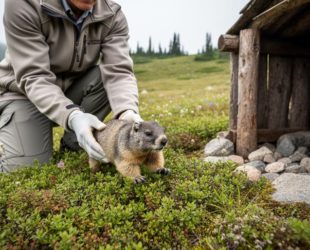
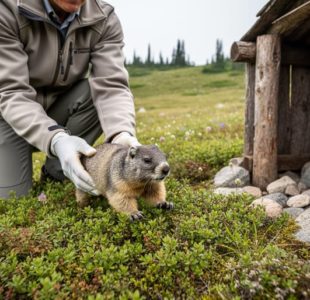
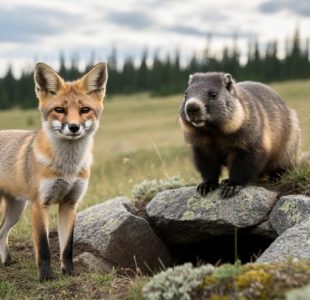
With this dire situation in mind, we have established a program that promotes the rescue of such at-risk creatures via breeding and release, reintroduction, and translocation. Thanks to our partnership with several associations, research groups, and volunteers, we have managed to recover a handful of endangered creatures, including Vancouver Island marmots, Ord’s kangaroo rats, and northern long-eared bats.
If we commit to saving and conserving critically endangered mammal species, we can still make a small but significant difference one at a time. Even just by leaving their habitat undisturbed, you are still making a positive impact on ensuring their long-term survival.
The bird population in Canada is in grave danger. Approximately 50 of Canada’s bird species are either Threatened or Endangered, based on the country’s Species at Risk Public Registry. Aerial insectivores, grassland birds, and shorebirds are among the identified species that have undergone a major decline in numbers.
Birds are forced to either leave their nesting places due to the emerging pressure from beach tourism or move to a different site to avoid natural predators. Another key contributing factor to the unstoppable decline of the bird populace in the country is climate change. Food becomes rare to find because of the sudden alterations in the environment, leading them to starvation and, ultimately, demise.
Thankfully, a handful of wildlife conservation specialists have partnered with us to combat this alarming bird population decline. Our bird recovery project has been made possible through this collaboration, whether it’s the creation of preservation breeding initiatives, development of cutting-edge reintroduction procedures, or advancement of tools to ascertain bird migration routes, we will do whatever we can to save the remaining at-risk bird species across the country.
The amphibian and reptilian class of wildlife in Canada are among those frequently cited creatures that face the danger of becoming extinct.
Raccoons and some of their predators feed on their eggs, negatively impacting the biome. On top of that, unethical human activities such as poaching have greatly reduced their populace. Even climate change now poses a concerning threat to them. Additionally, commercial and industrial development has fragmented these species’ territory, leaving them prone to inbreeding.
To date, about 40 species of amphibian and reptile are classified as “Threatened” based on the latest report of COSEWIC or the Committee on the Status of Endangered Wildlife in Canada. Therefore, an estimated portion of them requires the urgent practical need to survive.
To mitigate their risk of being extirpated, we have formed a campaign that concentrates on preserving and reestablishing the lives of amphibians and reptiles. The key components of this project are preservation breeding, conservation head-starting, on-site intervention, reintroduction, and translocation.
Moreover, we have created partnerships with several research groups to formulate the best approaches to conserving such species. We welcome volunteers to report any sightings of such species in specific locations. Lastly, we conduct educational workshops focusing on road safety, especially in places where roadkill and similar accidents involving these species are often reported.